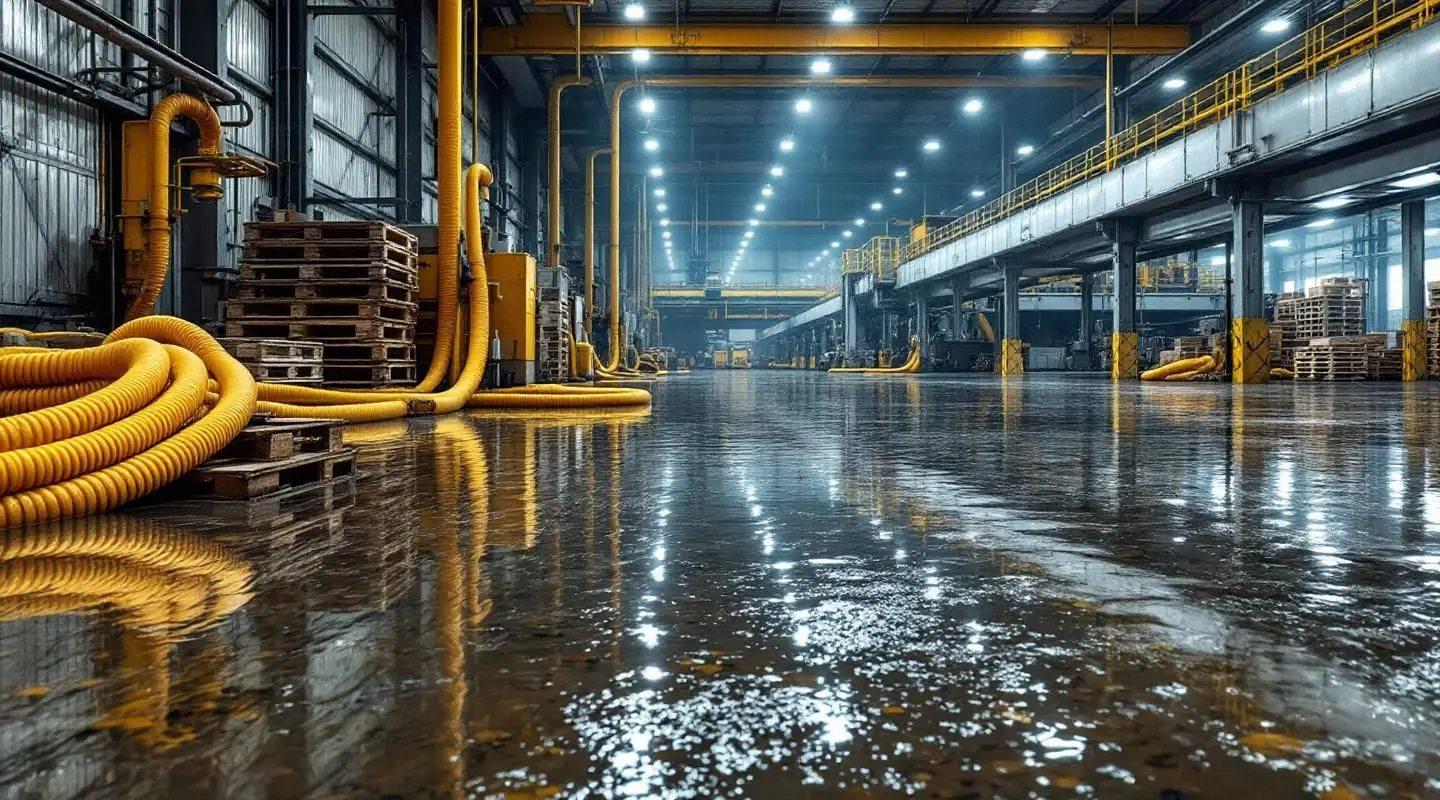
When a large-scale facility faces a sudden influx of water, the situation quickly moves beyond the capabilities of a standard janitorial crew. Whether it’s a storm surge from the Gulf or a massive pipe failure in a manufacturing plant, you need a large-loss flood response that matches the scale of your square footage. In Clearwater, the humidity doesn’t just linger; it aggressively fuels secondary damage like mold and structural rot within hours. We focus on stabilizing the environment immediately to protect your inventory, machinery, and the structural integrity of your building.
Our approach follows the strict IICRC S500 standard for professional water damage restoration, ensuring every gallon of liquid is accounted for. We don’t just look at the puddles on the surface. Our experienced technicians use thermal imaging moisture detection to find water trapped in structural cavities and deep within subfloor saturation. This moisture mapping provides a clear data set, so you aren’t guessing if the building is dry—you have the proof. In an industrial setting, Category 3 water intrusion is a common reality, especially during hurricane season, requiring specialized contaminated floodwater disposal and rigorous sanitation protocols to meet OSHA safety requirements.
Business continuity restoration is our primary objective. We know that every hour your loading dock is closed or your production line is down represents a significant financial hit. To accelerate the timeline, we deploy high-capacity desiccant dehumidifiers and strategic air mover placement to pull moisture out of dense materials like concrete slabs and masonry walls. This isn’t about just blowing air around; it’s about controlled industrial dehumidification that works against the natural Gulf Coast humidity. We manage the environment so your facility can return to work.
Managing a commercial property means you have enough on your plate without arguing over line items with an insurance adjuster. We document every step of the containment and drying protocols, providing the detailed scope writing and moisture logs your carrier needs to process the claim. From the initial commercial water extraction to the final clearance, we work to get your Clearwater facility back to full operational capacity without the lingering threat of hidden microbial growth or structural instability.
The primary benefit of professional Industrial Flood Cleanup is the radical reduction of downtime. When your Clearwater facility takes on water—whether from a Category 3 storm surge or a massive main break—every hour the slab remains saturated is an hour your production stops. We don’t just pump out water; we execute a business continuity restoration plan that prioritizes your most critical operational zones first. By deploying high-capacity commercial water extraction equipment immediately, we prevent the subfloor saturation that often leads to long-term structural instability or OSHA-violating mold growth. You aren’t just hiring a cleanup crew; you’re securing a team that understands how to navigate the complexities of a large-loss event without triggering unnecessary contract penalties.
Technical precision is what separates a professional response from a temporary fix. Our technicians use thermal imaging moisture detection to find water trapped in structural cavities that visual inspections miss. In the humid Gulf Coast climate of Clearwater, standard air movers aren’t enough to combat the baseline moisture levels. We use industrial dehumidification—specifically high-capacity desiccant dehumidifiers—to pull moisture from the air and porous building materials simultaneously. This aggressive approach to structural drying ensures that your facility meets the IICRC S500 standard for professional restoration. We provide the detailed moisture mapping reports your insurance adjuster needs, proving the job was done right. This level of documentation is vital for our experienced technicians to ensure your claim is processed accurately and your liability is minimized.
Rapid large-loss flood response to minimize operational downtime and avoid costly contract penalties.
Comprehensive contaminated floodwater disposal following strict environmental and safety regulations for Category 3 events.
Use of desiccant dehumidifiers to manage high Clearwater humidity and prevent secondary mold colonization.
Detailed moisture mapping and thermal imaging to verify structural cavity drying is 100% complete before reconstruction.
Expert insurance documentation and line-item scope writing to streamline the claims process for facility managers.
When a large-scale event hits a Clearwater facility, mobilization happens immediately. We understand that every hour of standing water increases the risk of subfloor saturation and structural compromise. Our team arrives with high-capacity commercial water extraction units to begin the bulk removal process before the Florida humidity triggers mold growth. We prioritize stabilizing the environment to protect your machinery and inventory, often arriving within hours of your initial call to ensure business continuity restoration begins before the next business day.
In Clearwater, Category 3 water often involves storm surge or sewage, carrying significant biohazard risks. Unlike Category 1, which is clean water from a supply line, Category 3 requires specialized contaminated floodwater disposal and rigorous containment and drying protocols. We follow the IICRC S500 standard to ensure every surface is sanitized. Using antimicrobial treatments and industrial-grade PPE is non-negotiable here, as the liability risks of improper Industrial Flood Cleanup can lead to long-term health code violations for your commercial property.
Yes, many facilities can remain partially operational during Industrial Flood Cleanup, provided we can establish strict containment zones. We use heavy-duty poly sheeting and HEPA-filtered air scrubbers to isolate the affected areas from your production floor or office space. Our technicians coordinate with your facility manager to schedule the loudest phases—like high-volume air mover placement or heavy extraction—during off-peak hours. This phased approach minimizes the disruption to your tenants and helps you avoid the steep contract penalties associated with a total facility shutdown in Clearwater.
Documentation is the backbone of a successful commercial insurance claim. We don’t just tell the adjuster it’s dry; we prove it using thermal imaging moisture detection and detailed moisture mapping reports. Our technicians document the entire Industrial Flood Cleanup process, from the initial Category 3 water intrusion assessment to the final structural cavity drying logs. By providing line-item estimates formatted for adjuster review, we reduce the administrative burden on your procurement team and help ensure your Clearwater property’s policy covers the full scope of the large-loss response.
For large-scale Clearwater projects, we move beyond standard equipment. We deploy industrial-grade desiccant dehumidifiers that can pull moisture from deep within masonry walls and concrete slabs, which is essential given our local Gulf Coast humidity. Standard refrigerant units often fail in these high-volume scenarios. By combining these with strategic air mover placement and structural cavity drying techniques, we accelerate the timeline for Industrial Flood Cleanup. This specialized setup is what separates a professional large-loss crew from a residential contractor who might be overwhelmed by the sheer scale of an industrial warehouse.
Every hour your facility sits in standing water is an hour of lost revenue and mounting liability. Our Clearwater-based team understands that industrial flood cleanup isn’t just about removing water; it’s about protecting your subfloors and inventory from Category 3 contamination before mold or corrosion takes hold. You need a crew that follows the IICRC S500 standard and has the equipment capacity to handle a large-loss event without blinking. You can learn more about our experienced technicians and our mobilization protocols before the next storm hits.
Don’t let a flood event turn into a permanent business closure. Our Clearwater-based industrial response team is ready to deploy commercial water extraction tools and desiccant dehumidifiers to stabilize your environment immediately. We work directly with your insurance carrier to provide the detailed moisture mapping and documentation required for a smooth claims process, allowing you to focus on business continuity while we handle the heavy recovery work.
Ignoring or delaying Industrial Flood Cleanup in a commercial setting is a high-risk gamble that rarely pays off for a facility manager. In Clearwater, where tropical storms can push saltwater into low-lying industrial corridors, you aren’t just dealing with “wet floors.” You are facing a Category 3 water intrusion that brings biohazards and corrosive salts into your facility. If you wait more than 24 hours to begin commercial water extraction, the humidity baseline in our Gulf Coast climate will trigger secondary damage. This isn’t just about aesthetics; it’s about preventing the rapid colonization of mold that can shut down a production line or warehouse indefinitely.
The structural integrity of your building is also on the clock. Large-scale flooding often leads to subfloor saturation where moisture gets trapped under heavy machinery or inside structural cavities. Without professional moisture mapping and thermal imaging moisture detection, you might think a floor is dry when the slab is still holding gallons of water. This trapped moisture eventually wicks up into drywall and insulation, leading to structural rot and long-term liability risks. Our experienced technicians follow strict IICRC S500 standards to ensure that every square foot of your facility is documented and verified dry, protecting you from future insurance disputes or OSHA health code violations.
Finally, there is the matter of business continuity. Every hour your loading dock is underwater or your server room is humid is an hour of lost revenue and potential contract penalties. We use industrial dehumidification and high-capacity desiccant dehumidifiers to pull moisture out of the air faster than standard equipment ever could. By establishing containment and drying protocols early, we can often keep parts of your facility operational while we work. This surgical approach to restoration minimizes the “total loss” scenario and helps you maintain your commitments to your own clients and tenants.
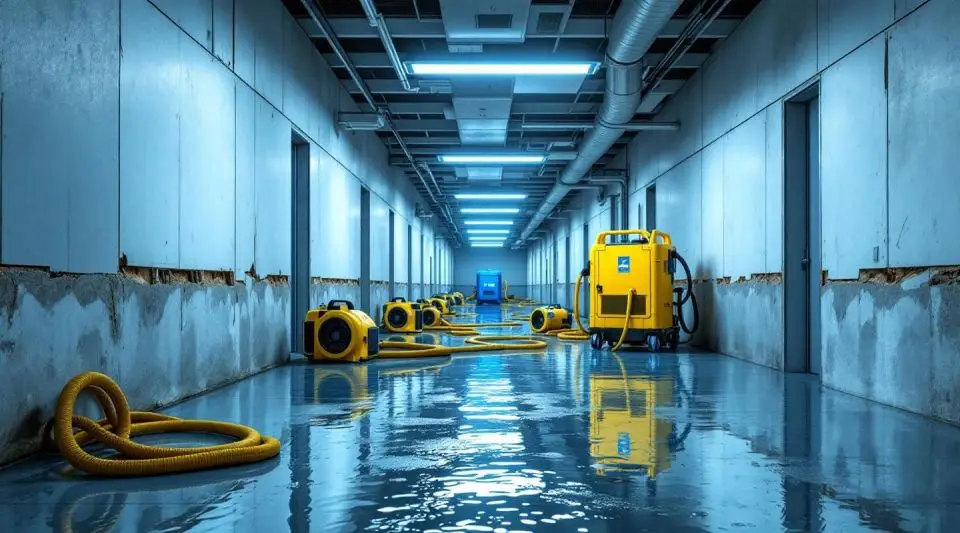
When a main water line shears in a multi-story Clearwater office park or a warehouse floor is submerged after a heavy Pinellas storm, the clock doesn't just tick—it drains your revenue.
Learn more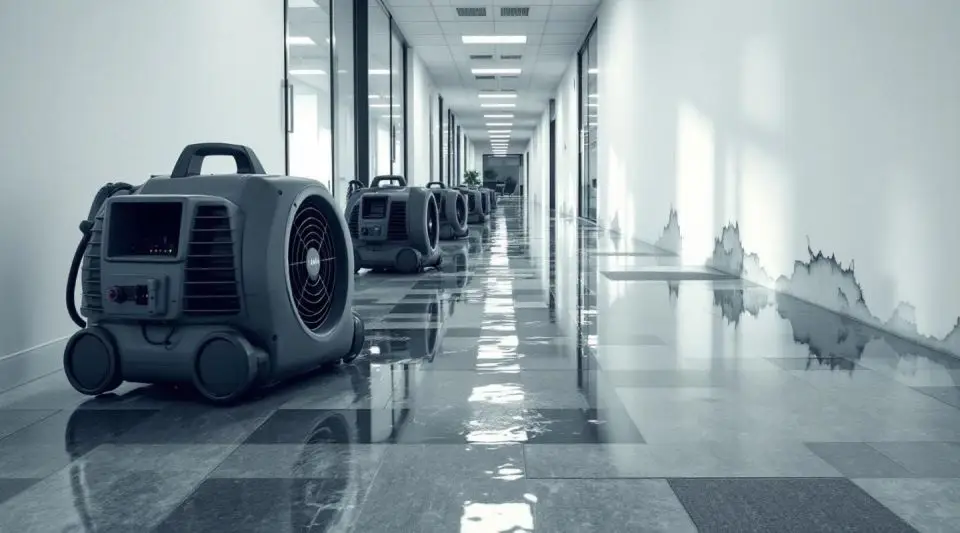
When a water main fails or a Gulf Coast storm breaches your building envelope, the clock starts ticking against your bottom line.
Learn more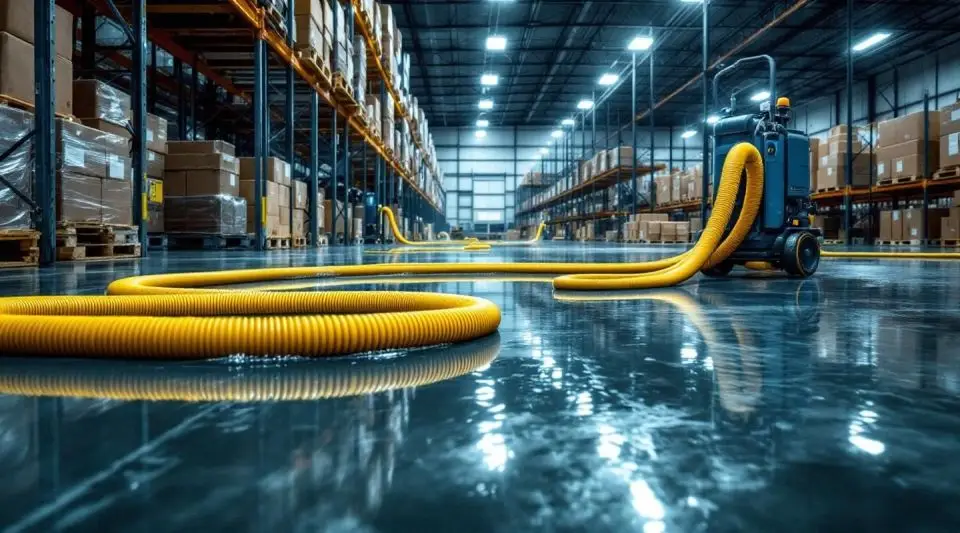
When a warehouse in Clearwater faces sudden flooding—whether from a tropical storm surge or a massive internal pipe failure—the clock starts ticking against your bottom line.
Learn more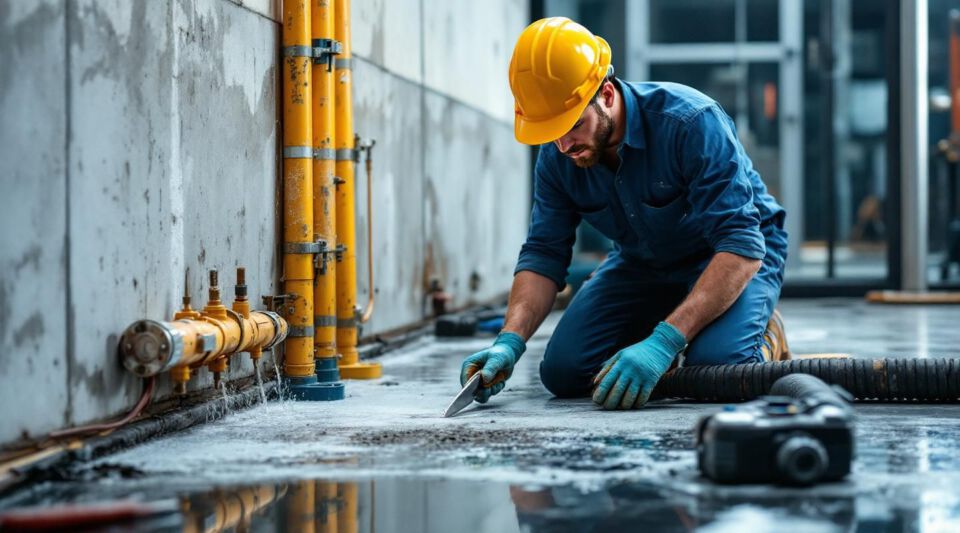
When a hotel corridor pipe burst occurs at 2:00 AM, the clock doesn’t just tick—it drains your revenue.
Learn more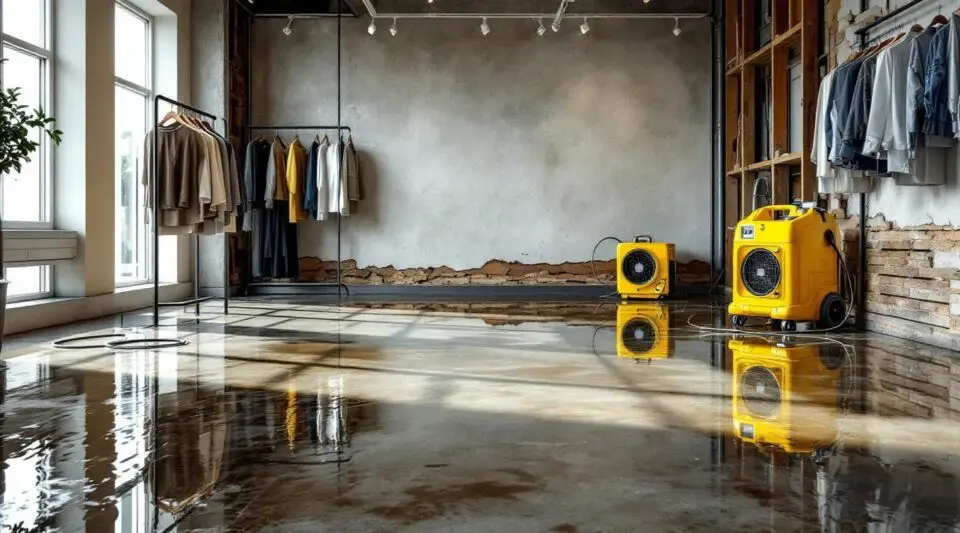
When a pipe bursts or a Gulf storm pushes water through your front doors in Clearwater, the clock doesn't just tick—it drains your revenue.
Learn more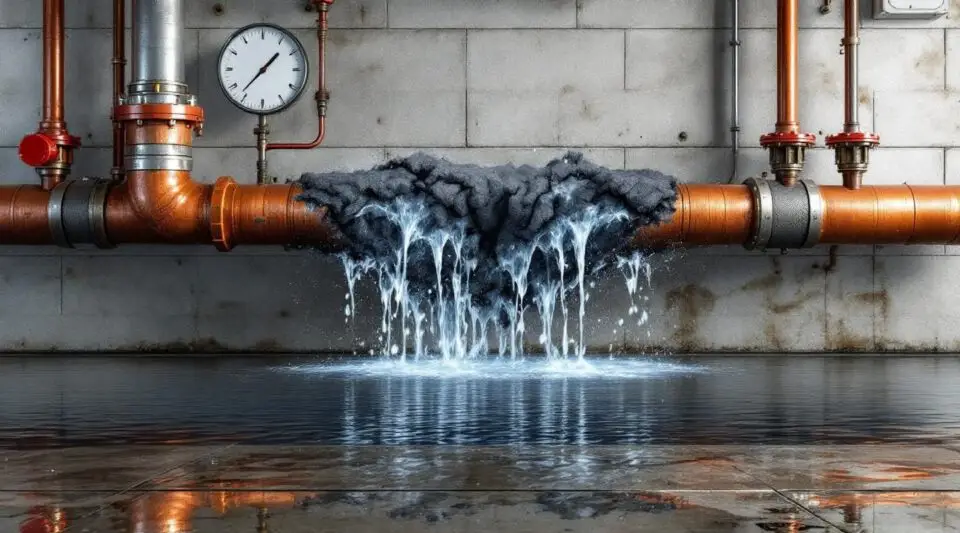
A commercial pipe burst is never just a plumbing issue; it is a race against time to save your inventory, your electronics, and your reputation.
Learn more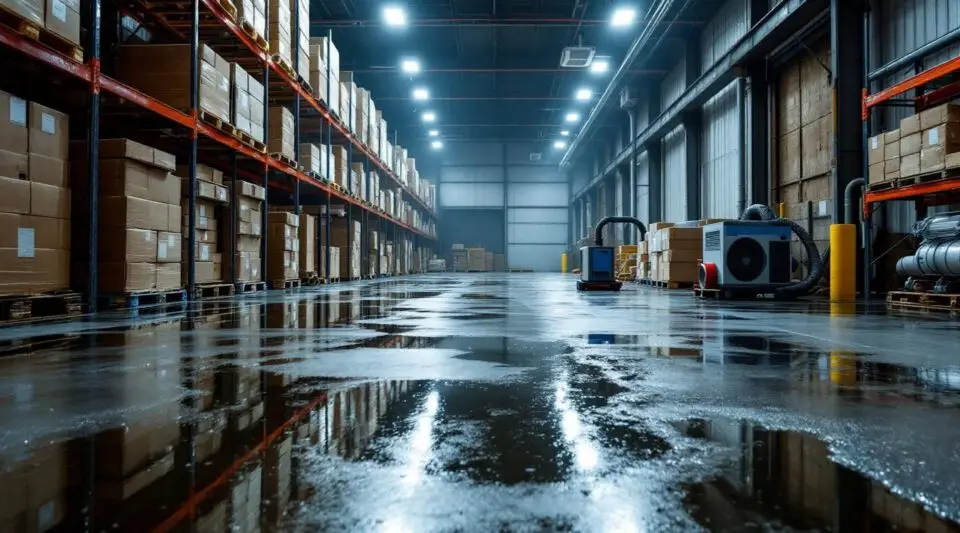
When a main line bursts or a Clearwater storm compromises a 100,000-square-foot facility, the clock starts ticking against your inventory and your client SLAs.
Learn moreThere was a big plumbing leak in our flat that ruined two rooms. This business was quick to respond and worked closely with our property manager. They took care of the water removal, drying, and repairs without getting in the way of our daily lives too much.
Blanche Turner
The service they offered to get rid of mold in our crawl space made a tremendous difference in the air quality in our home. They sealed off the area and fixed all the problems with the dampness.
Karla Espinoza
The water pipe from the fridge developed a steady leak that saturated the hardwood floors over time. The restoration team took up the boards, dried the subfloor, and even helped match the new flooring. nice work and nice communication all the time.
Angela Carrier
We found mold in the closet where our HVAC system resides. They completed a thorough check and had no issue finishing the repairs. The system functions perfectly now that the stench is gone.
Marilyn Watts
Over the weekend, a water line broke in my small workplace. The carpet was damaged by Monday morning. This business sent a crew out the same day to clean up the commercial water damage quickly and effectively. Kept downtime to a minimum.
yuliyan dzhenev