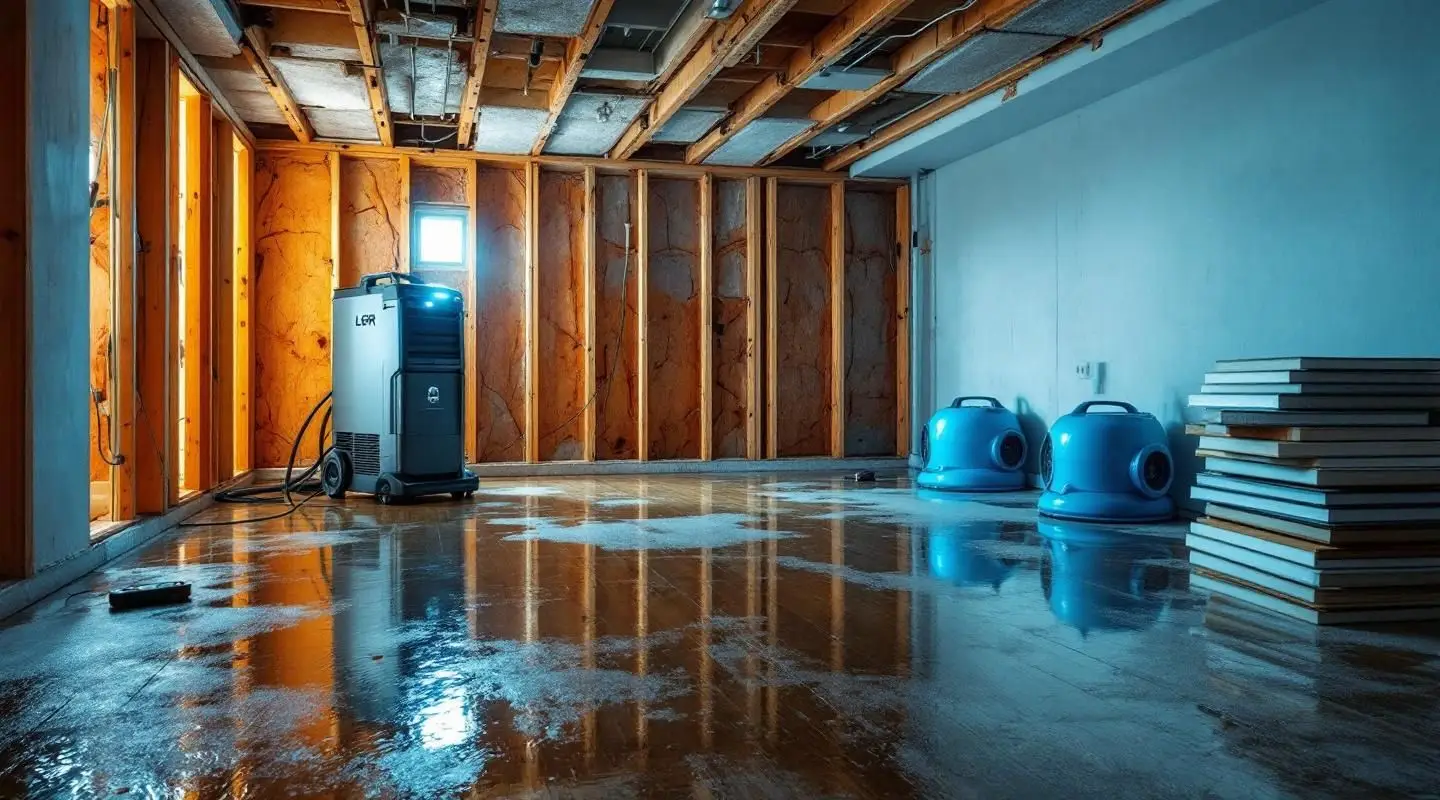
When your Clearwater home takes on water, the clock doesn’t just tick; it roars. Whether it’s a failed supply line under the kitchen sink or storm surge from a Gulf squall, the first few hours determine if you’re facing a simple dry-out or a total structural gut job. You might see a puddle on the laminate, but our experienced technicians look for the subfloor saturation and the capillary action pulling moisture up into your drywall. We don’t just pull out the standing water; we manage the physics of the environment to prevent your home from becoming a petri dish in the Florida heat.
Effective residential flood restoration requires more than just a few shop vacs and household fans. We use IICRC-certified protocols to perform comprehensive moisture mapping, using thermal imaging cameras to see exactly where the water has migrated behind your baseboards. If you have Category 3 water—like a sewage backup or storm-driven street flooding—the approach changes entirely to include aggressive antimicrobial treatment and controlled demolition of porous materials. We track every drop using psychrometric readings and drying logs, ensuring that your vapor barriers and structural studs are truly dry before any reconstruction begins.
Living in Pinellas County means dealing with a humid subtropical climate that works against us during a flood. In Clearwater, the ambient humidity is often so high that natural evaporation is impossible; without industrial-grade dehumidification, your home will stay damp long enough for mold spores to colonize in as little as 24 to 48 hours. During hurricane season, from June through November, the pressure to act fast is even higher. Our crew understands the local building codes and the specific challenges of older Clearwater homes, from pier-and-beam crawl spaces to modern slab-on-grade foundations that trap moisture under luxury vinyl planking.
We know that the insurance side of a flood is often as stressful as the water itself. Our team documents the entire scope of loss using Xactimate, the same software your adjuster uses, to ensure there are no gaps in communication regarding what is required to return your property to a pre-loss condition. From the initial water extraction to the final structural drying certificate, we provide the technical proof needed to justify every step of the restoration. You deserve a clear path back to a dry home, and we provide the equipment and expertise to make that happen without the guesswork.
When your Clearwater home is standing in water, the clock is your biggest enemy. You need more than just a shop vac; you need a strategic plan to stop the migration of moisture into your sill plates and wall cavities. Our approach to Residential Flood Restoration starts with high-volume water extraction, but the real benefit lies in what you can’t see. We use thermal imaging to identify exactly where the water has traveled behind your baseboards. By mapping the moisture levels on day one, we ensure that the drying process is targeted and efficient, preventing the wicking effect that often ruins drywall and insulation long after the surface feels dry to the touch.
Beyond the immediate cleanup, professional restoration protects your property’s long-term market value and your family’s health. In Florida’s humid climate, Category 3 water or even simple pipe bursts can lead to rapid microbial growth if the structural drying isn’t handled by experienced technicians who follow IICRC standards. We maintain detailed drying logs and psychrometric readings to prove your home has reached its dry standard. This documentation is vital when you’re dealing with insurance adjusters. Since we use Xactimate for our estimating, the scope of loss we provide is transparent and aligned with industry expectations, making the claims process significantly smoother for you during a stressful time.
Precision moisture mapping using thermal imaging to find hidden pockets of saturation behind finished walls.
Rapid structural drying techniques designed to preserve original hardwood floors and cabinetry whenever possible.
Application of professional-grade antimicrobial treatments to inhibit mold and mildew growth in humid Florida conditions.
Comprehensive documentation and daily drying logs to support your insurance claim requirements and provide a clear scope of loss.
Strategic use of LGR dehumidification to manage Clearwater's high ambient humidity and accelerate the evaporation process.
In the humid Clearwater climate, you really only have a 24-to-48-hour window before microbial growth takes hold. When we perform Residential Flood Restoration, we don’t just look at the surface; we use moisture mapping to find water trapped deep behind baseboards and cabinets. If you wait three days, that Category 1 clean water often degrades into Category 3 water, requiring much more aggressive antimicrobial treatment. Our goal is to stabilize the environment immediately so you aren’t dealing with a massive mold remediation bill on top of the initial flood cleanup. Rapid water extraction is the only way to stop the clock on secondary damage.
Navigating coverage can be tricky because standard homeowners policies in Clearwater often exclude ‘rising water’ floods. For those events, you typically need a separate policy through the National Flood Insurance Program (NFIP). However, if the flooding was caused by a pipe burst or appliance failure, it is usually covered under your standard policy. During Residential Flood Restoration, we document every step using Xactimate—the same software adjusters use—to ensure your scope of loss is accurate and your claim moves through the system without unnecessary friction or out-of-pocket surprises.
Most Clearwater homes require three to five days for complete structural drying, though this varies based on the materials involved. We don’t just run fans and hope for the best. Our experienced technicians take daily psychrometric readings and maintain detailed drying logs to track the progress of dehumidification. If you have thick subfloor saturation or hardwood flooring, it might take a bit longer to reach the dry standard. We use high-capacity air movers to pull moisture out of the air and the structure simultaneously, ensuring your home is truly dry before we pull the equipment.
We use thermal imaging to see exactly where the moisture is hiding inside your walls without tearing them open first. If your drywall has wicked up more than a few inches of water, or if the insulation behind it is saturated, we often perform a controlled demolition of the bottom two feet. This ‘flood cut’ allows the wall cavity to breathe. For Residential Flood Restoration in Clearwater, we try to save materials whenever possible, but if a vapor barrier has trapped water against a subfloor for more than 48 hours, replacement is often the only way to prevent long-term structural rot and hidden mold.
Yes, coordinating with adjusters is a core part of our Residential Flood Restoration service. We know how stressful it is to manage a claim while your house is in shambles. We provide the insurance company with all the necessary documentation, including moisture maps and photo evidence of the damage. By using industry-standard pricing, we minimize the back-and-forth negotiations that often delay repairs. We make sure the adjuster understands the full scope of loss in your Clearwater home so that your settlement covers the actual cost of returning your property to its pre-loss condition.
Standing water doesn’t wait for a convenient time to start damaging your subfloors or wicking up your drywall. If you’re dealing with a sudden flood in Clearwater, every hour counts to prevent Category 3 contamination or permanent structural warping. Our experienced technicians are ready to start the water extraction and moisture mapping process immediately to protect what matters most.
We work directly with your insurance adjuster using Xactimate to ensure the scope of loss is documented correctly from day one. You don’t have to navigate the drying logs and equipment setup alone; our crew handles the heavy lifting so you can focus on getting your family back to normal.
In Pinellas County, the high ambient humidity means that a flooded house will almost never dry out on its own. When water enters your living space, the clock starts ticking immediately. Within 24 to 48 hours, dormant mold spores can activate behind your baseboards and inside wall cavities where you can’t see them. Professional residential flood restoration isn’t just about getting the standing water out; it’s about stabilizing the environment. We use industrial-strength dehumidification to pull moisture from the air, preventing that heavy, damp smell from becoming a permanent fixture in your home.
You might look at a carpet and think it’s dry, but the subfloor saturation underneath often tells a different story. Our experienced technicians use thermal imaging and moisture mapping to see exactly where the water traveled. If moisture remains trapped behind a vapor barrier or beneath hardwood floors, it will eventually rot the wood or lead to Category 3 water conditions as bacteria begin to multiply. By identifying these hidden pockets early, we can often implement advanced structural drying techniques to save materials that would otherwise require controlled demolition.
Documentation is the other half of the restoration battle. When you’re dealing with an insurance claim in Clearwater, your adjuster needs more than just photos of the initial mess. They require detailed drying logs and psychrometric readings that prove the home reached its “dry standard.” We track the progress of the drying equipment every single day, ensuring every stud and joist is back to safe levels. This rigorous data collection helps justify the scope of loss to your carrier, making the claims process significantly smoother for your family during an already stressful time.
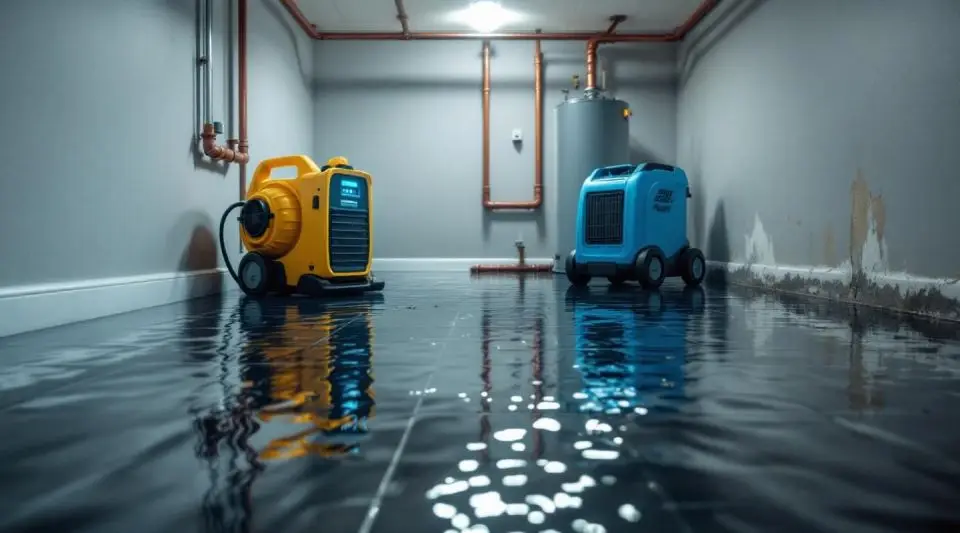
When a pipe bursts or a storm surge pushes Gulf water into your living space, the clock starts ticking against your floorboards and drywall.
Learn more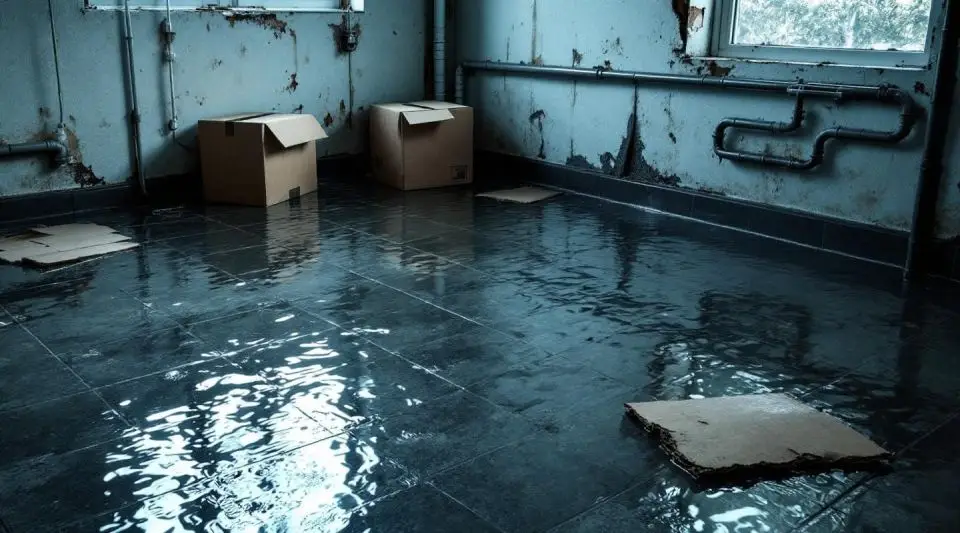
Walking into a flooded basement is a visceral shock that most Clearwater homeowners aren't prepared for, especially when a sudden summer thunderstorm overwhelms your drainage system.
Learn more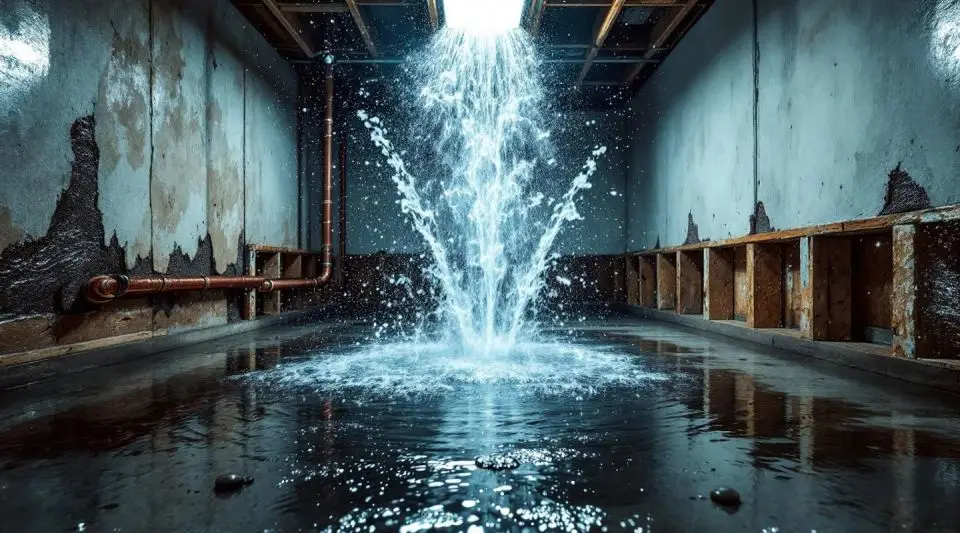
The sound of a pipe bursting in your Clearwater home is unmistakable—a sudden, pressurized rush of water that can dump hundreds of gallons into your living space in minutes.
Learn more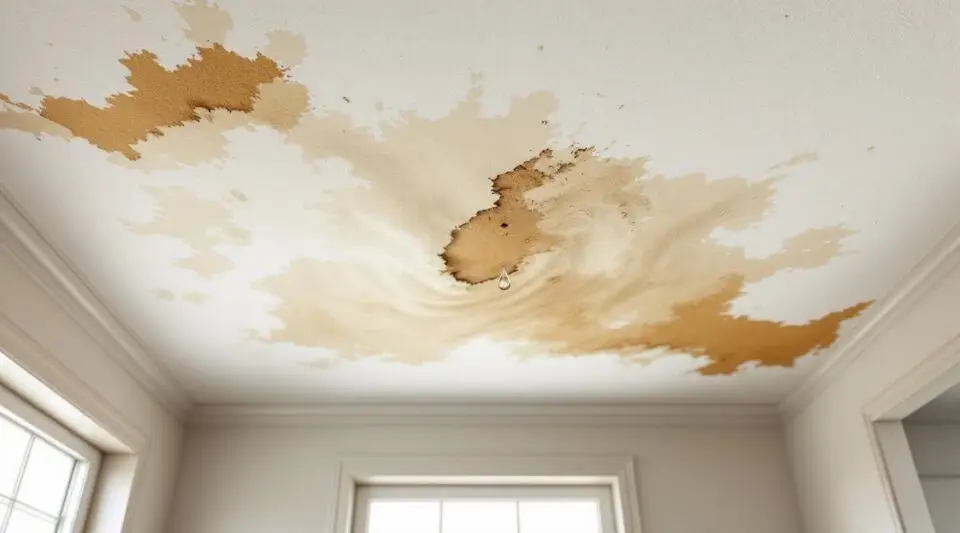
You notice a faint yellow ring on your living room ceiling after a typical Clearwater afternoon thunderstorm.
Learn more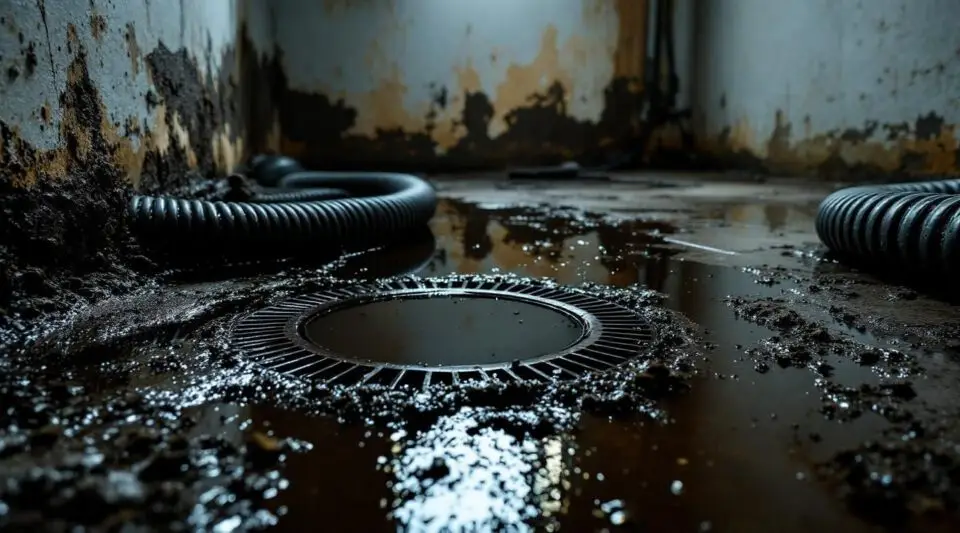
Discovering a sanitary sewer overflow in your Clearwater home is a visceral, high-stress event.
Learn more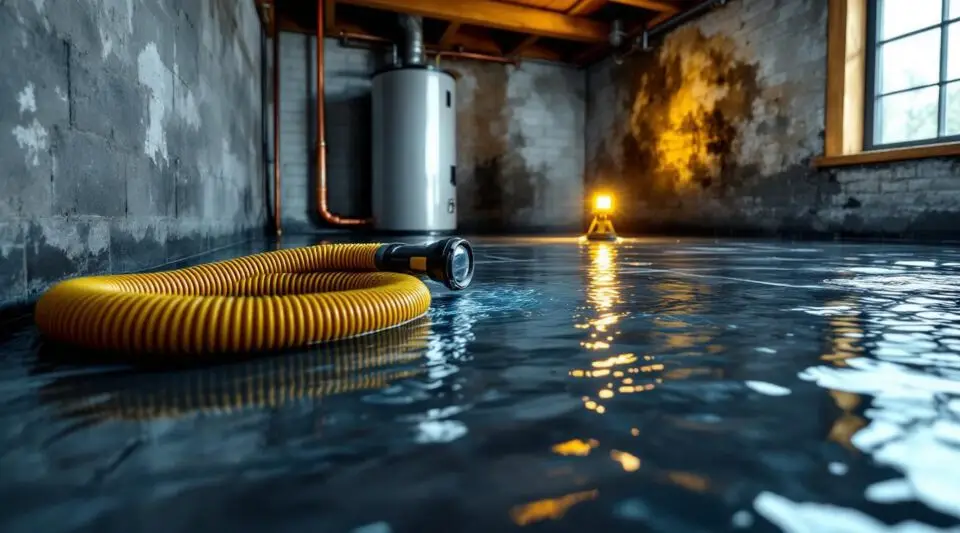
When a pipe bursts or a Clearwater storm pushes water through your threshold, the clock starts ticking immediately against your floorboards and drywall.
Learn more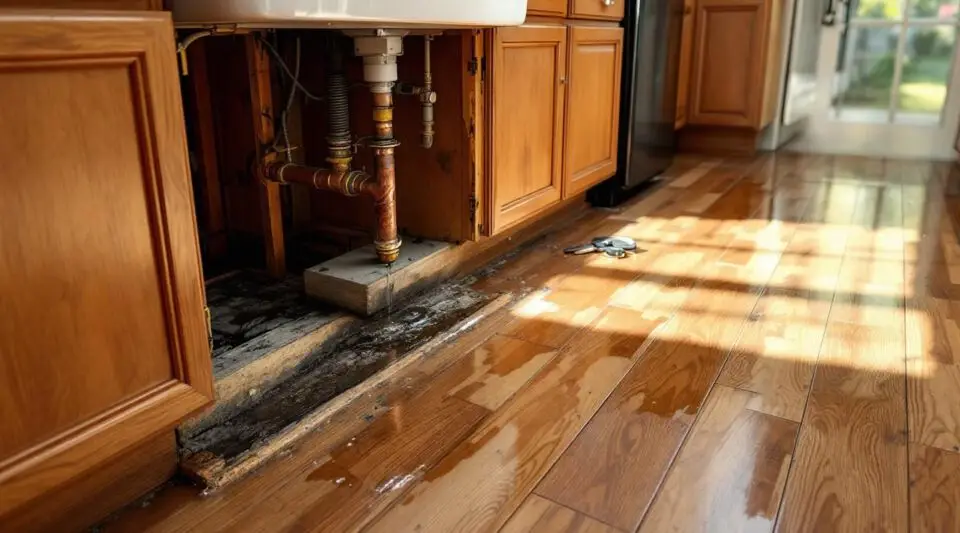
You walk into your kitchen for a glass of water and feel that unmistakable, squishy sensation beneath your feet.
Learn moreWe found mold in the closet where our HVAC system resides. They completed a thorough check and had no issue finishing the repairs. The system functions perfectly now that the stench is gone.
Marilyn Watts
The service they offered to get rid of mold in our crawl space made a tremendous difference in the air quality in our home. They sealed off the area and fixed all the problems with the dampness.
Karla Espinoza
There was a big plumbing leak in our flat that ruined two rooms. This business was quick to respond and worked closely with our property manager. They took care of the water removal, drying, and repairs without getting in the way of our daily lives too much.
Blanche Turner
Over the weekend, a water line broke in my small workplace. The carpet was damaged by Monday morning. This business sent a crew out the same day to clean up the commercial water damage quickly and effectively. Kept downtime to a minimum.
yuliyan dzhenev
The water pipe from the fridge developed a steady leak that saturated the hardwood floors over time. The restoration team took up the boards, dried the subfloor, and even helped match the new flooring. nice work and nice communication all the time.
Angela Carrier